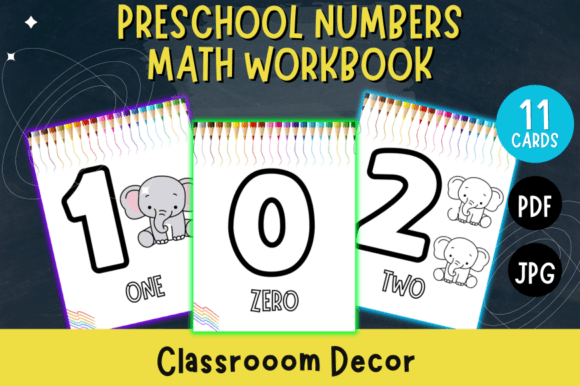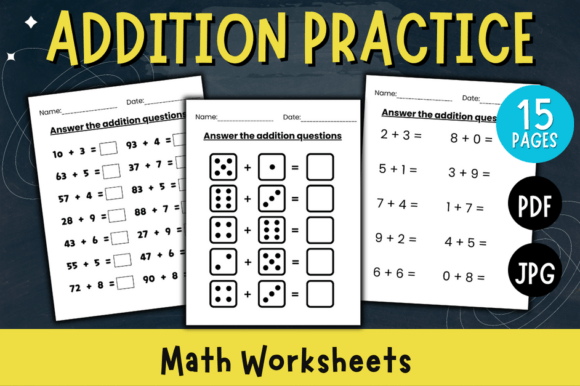
Math Worksheets Autism: Addition Sheet - Visual Design for Learning
When designing educational materials, the principles of clarity, structure, and visual hierarchy are not just aesthetic choices—they are functional necessities. This is especially true for resources like the Math Worksheets Autism: Addition Sheet, where thoughtful graphic design directly supports cognitive processing and learning outcomes. These worksheets exemplify how a focused design approach can transform a standard learning tool into an effective, accessible, and engaging experience for users on the autism spectrum.
The Role of Visual Design in Specialized Learning Tools
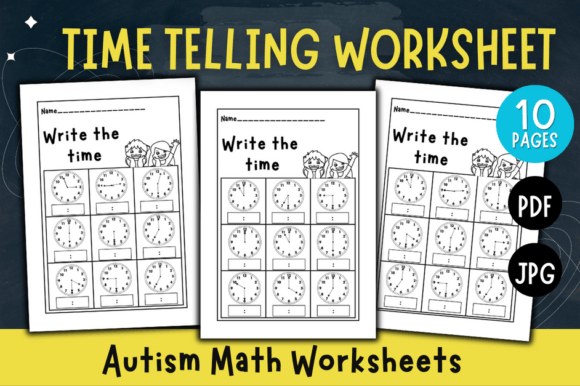
Effective educational design for autism prioritizes predictability and reduces cognitive load. The Math Worksheets Autism: Addition Practice achieves this through a minimalist aesthetic, consistent layout, and carefully curated visuals. Each page avoids visual clutter, employing ample white space and a clear typographic hierarchy to guide the eye naturally from the problem to the solution space. This isn't about making something "simple," but about creating a logical visual system where every element serves a purpose, minimizing distractions and maximizing focus on the core task.
Key Design Elements and Their Impact
- Typography & Readability: The choice of font is critical. These worksheets likely use a clean, sans-serif typeface with generous x-height and clear letterforms, ensuring legibility for all learners. Consistent sizing and spacing create a rhythmic, predictable pattern.
- Color Palette & Contrast: A controlled, high-contrast color scheme is used strategically. Color isn't decorative; it's a functional tool to differentiate sections, highlight key information, and create visual calm, avoiding sensory overload.
- Composition & Grid Structure: A strong underlying grid organizes the content. Problems are spaced evenly, answer boxes are clearly defined, and visual weight is balanced. This structured layout provides a sense of order and security, making the learning process feel manageable.
- Imagery & Iconography: Any accompanying visuals are simple, literal, and directly related to the math concept. They serve as concrete anchors for abstract ideas, using a consistent illustrative style to build familiarity.
Practical Applications Beyond the Classroom
The design principles demonstrated in these worksheets have broad applications across the creative industry. They are a masterclass in designing for a specific user need, a skill invaluable in numerous professional contexts.
- UI/UX Design: The focus on clarity, intuitive navigation, and reducing user friction is directly applicable to designing apps and websites, especially for inclusive or accessible platforms.
- Brand Identity Systems: The consistency and systematization seen in the worksheet design mirror the development of a robust brand style guide, ensuring coherence across all touchpoints.
- Marketing Collateral: The ability to convey information clearly and attractively is essential for infographics, brochures, and social media graphics where capturing and retaining attention is key.
- Packaging Design: The principles of visual hierarchy and clear communication are vital for packaging, where users need to quickly find information and understand the product.
- Presentation Design: Creating slides that are clean, readable, and logically structured, much like these worksheet pages, ensures your message is communicated effectively to any audience.
Evaluating and Implementing Design Assets
When selecting or creating similar visual assets for your projects, consider these factors to ensure quality and effectiveness:
- Audience-Centricity: Who is the end-user? Design choices must align with their cognitive abilities, preferences, and environment. The autism worksheets are a prime example of audience-first design.
- Functional Aesthetics: Every visual element should have a job. Ask: Does this color improve focus? Does this font aid reading? Does this layout guide the user's journey?
- System Consistency: Whether it's a set of worksheets or a brand campaign, consistency in style, spacing, and interaction builds trust and reduces the learning curve for the audience.
- Scalability & Adaptability: Good design systems work across formats. Consider how the asset will function as a printable PDF, a JPEG on a screen, or within a larger digital interface.
Ultimately, resources like the Math Worksheets Autism: Addition Sheet underscore a fundamental truth in design: the most impactful work often lies in solving specific problems with elegance and empathy. By applying principles of visual clarity, structured hierarchy, and user-focused aesthetics, designers and creators can develop assets that do more than just look good—they facilitate understanding, build confidence, and create meaningful connections. Investing in such thoughtful design is an investment in effective communication and a superior user experience, regardless of the medium or audience.