Cursive Handwriting Practice Worksheets: A Modern Guide to the D'Nealian Method
There’s a certain magic in seeing a beautifully crafted cursive signature or a handwritten note that feels personal and warm. In our digital age, that human touch is more valuable than ever. If you’re looking to develop or refine this timeless skill, or perhaps guide a young learner, the right tools make all the difference. That’s where structured resources like Cursive Handwriting Practice Worksheets come in, offering a clear path from shaky letters to fluid script. This particular set is built around the D'Nealian method, a specific approach to handwriting designed with simplicity and progression in mind.
Understanding the D'Nealian Approach
Unlike some traditional cursive styles that start with entirely new letter forms, the D'Nealian method is cleverly designed to ease the transition from printing to cursive. Its letters are a simplified, connected version of basic print shapes. The personality of this style is practical and approachable. It’s not trying to be ornate or overly formal; its goal is legibility and ease of learning. For a designer or content creator, this translates to a style that feels authentic, personal, and accessible—qualities that are gold for building audience connection. Imagine using a font based on this method for your blog headers or social media graphics; it would immediately convey a sense of hands-on creativity and approachable expertise.
The visual characteristics are defined by a consistent slant and simplified connecting strokes. Letters maintain a recognizable shape, which aids in readability. This makes the D'Nealian style a fantastic display font alternative for projects where you want a handwritten feel without sacrificing clarity. It strikes a balance between a formal script font and a casual handwritten font, giving it versatile appeal. For entrepreneurs developing a brand identity, this style can be perfect for a maker, educator, or wellness brand that wants to appear friendly, trustworthy, and down-to-earth.
Practical Applications for Creative Professionals
So, where does a font inspired by the D'Nealian method truly shine? Its strength lies in projects that benefit from a personal, human element. Think beyond just practice sheets.
- Branding & Logo Design: For a small business, especially in the craft, coaching, or boutique food space, a logotype set in a clean, cursive style can be incredibly effective. It suggests quality, care, and a personal touch. Pair it with a clean sans serif font for body text to create a beautiful contrast in your visual hierarchy.
- Packaging & Editorial Design: On product labels for artisanal goods, book covers for memoirs or personal development titles, or magazine feature headlines, this style adds warmth and character. It draws the eye and creates an emotional connection that a standard serif font might not.
- Digital & Social Media: In web design, use it sparingly for call-to-action buttons or section headers to add personality. For social media graphics, it’s perfect for quotes, announcements, or Instagram Story text that needs to feel personal and engaging. It boosts audience engagement by feeling less corporate and more conversational.
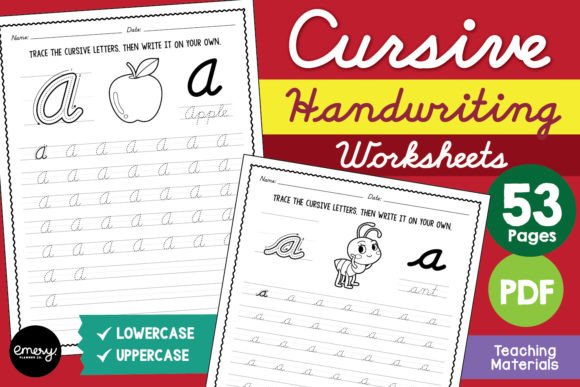
- Personal Projects: The included worksheets are, of course, the core use. They are an excellent design asset for parents, teachers, or hobbyists. The PDF files at 8.5x11 inches are print-ready, and the black and white pack ensures easy, cost-effective printing without needing color ink.
Making It Work: A Designer's Practical Guide
Choosing a font, even a premium font or a specialized practice set, requires thoughtful consideration. Here’s how to evaluate if the D'Nealian cursive style is the right fit for your project.
First, consider your readability needs. While this style is designed for legibility, it is still a connected script. For long blocks of text, it’s not ideal. Its power is in headlines, short phrases, and display use. Always test it at the size it will be viewed. The included practice sheets are a great way to familiarize yourself with its letterforms before committing to a design.
Next, master the art of font pairing. A script or handwritten font like this needs a strong partner. It pairs exceptionally well with a geometric sans serif font (think Montserrat or Lato) or a simple, modern serif font. The contrast creates a dynamic and professional look. Avoid pairing it with another decorative or highly stylized typeface, as this will create visual chaos.
Finally, think about consistency and brand perception. If you integrate this style into your brand assets, use it consistently across all touchpoints—website, business cards, social media—to build recognition. The uniformity of the D'Nealian method helps here, as it provides a coherent look. For commercial projects, always double-check the licensing. The fact that this is a digital file ready for download suggests a personal use license, but for broader commercial application, you would seek out a dedicated commercial font inspired by this style.
Ultimately, resources like these Cursive Handwriting Practice Worksheets do more than teach penmanship. They familiarize you with a specific, useful style of modern typography. By understanding its roots in the D'Nealian method, you can better appreciate its clean, functional elegance and apply that understanding to your creative projects, whether you’re designing a logo, crafting social media content, or simply rediscovering the joy of handwriting. They are a foundational tool for developing a nuanced eye for script-based design assets.