Autism Math Worksheets: Design for Learning
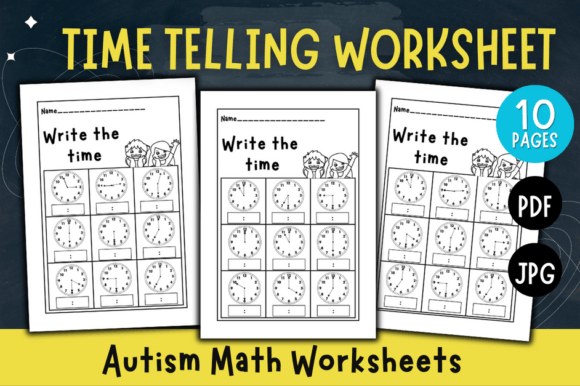
In the specialized field of educational graphic design, the creation of resources like Autism Math Worksheets represents a powerful intersection of visual communication, user-centric design, and functional branding. The "Math Worksheets Autism: Time Telling Worksheet" exemplifies how thoughtful design principles—clarity, structure, and sensory consideration—can be applied to create tools that are not only effective but also empowering for their specific audience.
The Design Philosophy Behind Specialized Learning Tools
From a professional design perspective, these worksheets are more than just educational content; they are a case study in targeted visual design. The core challenge is to communicate complex concepts—like the abstract passage of time—in a way that minimizes cognitive load and sensory overload. This is achieved through a deliberate and refined visual hierarchy. Simplified instructions, consistent iconography for analog and digital clocks, and a clean, uncluttered layout are paramount. The choice of a calm, predictable color palette and clear, sans-serif typography directly supports readability and reduces anxiety, making the learning process smoother.
Principles of Inclusive Design in Practice
When designing for neurodiverse learners, every element serves a specific functional purpose. This approach offers valuable lessons for broader graphic design and UX design projects:
- Consistency is Key: Using the same style of clock face, button, and instruction format across all 10 pages builds familiarity and trust, a principle equally vital in brand identity systems.
- Clarity Over Decoration: The design prioritizes unambiguous information delivery. There are no superfluous graphics or complex textures that could distract or confuse the user, mirroring best practices in UI design and editorial design.
- Structured Visual Flow: The layout guides the eye naturally from instruction to exercise to answer, creating a logical and predictable path—a fundamental aspect of effective web design and packaging design.
Applications and Creative Inspiration
The design principles embedded in resources like these can inspire a wide range of creative projects. The focus on clarity and user success translates directly into numerous professional contexts:
- Branding & Logo Design: A logo or brand mark must be instantly recognizable and understandable. The simplicity and memorability of the worksheet's visual cues are a lesson in effective symbol design.
- Marketing & Social Media Graphics: In a crowded digital space, ads and social posts that use clean layouts, high-contrast text, and focused messaging—much like these worksheets—achieve better engagement and recall.
- Presentation & Editorial Design: Creating a presentation or a report that communicates data clearly relies on the same principles of visual hierarchy, scannable layouts, and restrained use of color to guide the audience.
- Digital Products & Packaging: Designing user manuals, app interfaces, or product packaging requires anticipating user needs and presenting information in a straightforward, task-oriented manner, which is the essence of this educational design.
Evaluating Design for Purpose and Impact
When selecting or creating design assets, whether for education, branding, or marketing, consider these factors to ensure quality and effectiveness:
- Audience & Usability: Does the design speak directly to its intended user's needs and understanding? A resource for autism learners prioritizes sensory-friendly elements; a luxury brand asset prioritizes sophistication and tactile feel.
- Functional Aesthetics: Does every visual element serve the communication goal? Beauty in professional design is often found in the seamless marriage of form and function, where the design itself becomes invisible, allowing the content or product to shine.
- Scalability & Consistency: Do the typography, colors, and graphical elements work across different sizes and contexts? A good design system, like the worksheet set, maintains its integrity from a single page to a full series.
Ultimately, the value of a thoughtfully designed resource lies in its ability to bridge a gap—in knowledge, in skill, or in communication. By applying the same rigorous, user-focused principles found in specialized Autism Math Worksheets, designers and creators across all fields can develop visual design solutions that are not only aesthetically pleasing but also profoundly effective, building trust, enhancing understanding, and achieving meaningful results. Quality creative assets