Organize Your Literary Life with Reading Trackers
For anyone who finds solace in the spine of a book, the chaos of a growing "To Be Read" pile can be overwhelming. Whether you are a casual reader, a dedicated bookstagrammer, or a literary critic, the challenge remains the same: how do you manage the influx of information, recommendations, and completed stories? This is where the utility of well-designed Reading Trackers and Book Planners transforms from a simple organizational task into a rewarding ritual. We often focus heavily on the digital aspects of our lives, but there is a profound psychological benefit to physically or digitally recording your reading journey. It turns passive consumption into active engagement, helping you remember details, track progress, and set intentional goals for your personal development.
The Anatomy of an Effective Reading System
When curating your reading life, you need more than just a list. A comprehensive system requires specific tools that serve different functions. A generic notebook might work for a while, but dedicated Book Planners offer structured layouts designed specifically for bibliophiles. In this particular collection, the design philosophy centers on clarity and flexibility. You aren't just getting a calendar; you are receiving a toolkit comprising four distinct components that work in harmony to create a complete brand identity for your reading habits.
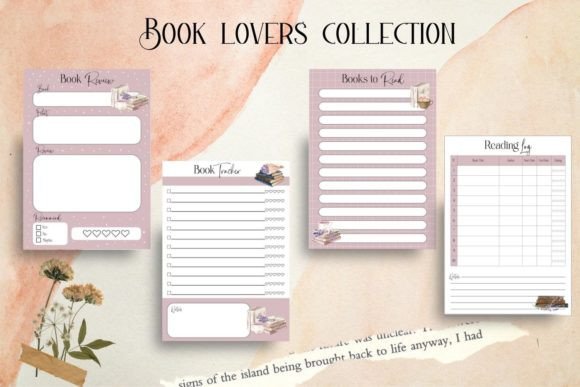
The collection includes a Book Review Planner, a Book Tracker, a Books to Read Planner, and a Reading Log. Each serves a unique purpose. The Books to Read Planner acts as your repository for recommendations—those titles you hear on podcasts or see on social media. Meanwhile, the Reading Log is the historical record of your journey, allowing you to look back at what you’ve achieved. The visual style of these planners leans towards a modern, clean aesthetic. They avoid the clutter that often plagues organizational tools, focusing instead on ample white space and intuitive layouts. This approach to modern typography ensures that the planner doesn't distract from the content; rather, it frames your reading data in a way that is pleasing to the eye and easy to digest.
Beyond the Page: Visual Hierarchy and Usability
In the world of design, we talk a lot about visual hierarchy—the arrangement of elements to show their order of importance. When you open a well-crafted reading tracker, your eye should immediately know where to go. Does the title of the book stand out? Is the rating system clear? These planners utilize a thoughtful balance of typography to guide the user. By treating these Reading Trackers as serious design assets, the creators have ensured that they function as effectively as they look.
One of the standout features of this specific collection is the delivery format. Recognizing that different users have different workflows, the files are provided in three formats: PDF, AI, and JPG. This is a crucial detail for the creative professional. The PDF files are perfect for instant printing—ideal for those who prefer the tactile experience of pen on paper. However, the inclusion of AI (Adobe Illustrator) files elevates this product from a simple printable to a customizable design asset. If you are a designer or a brand-conscious creative, you can open the file and adjust the colors to match your stationery, change the fonts to suit your personal brand identity, or resize elements to fit a specific planner system like a Happy Planner or a binder. This level of customization ensures that your organizational tools feel integrated into your life rather than tacked on.
Practical Applications for the Modern Reader
So, who exactly are these Book Planners for? The audience is broader than one might initially think. Obviously, they are essential for the avid reader who wants to remember the nuances of a plot three months later. But consider the professional applications as well.
- Content Creators and Bloggers: If you run a book blog or a BookTok channel, consistency is key. Using a Reading Log helps you plan your content calendar. You can track which books are upcoming for review and ensure a steady stream of content for your audience.
- Entrepreneurs and Marketers: Continuous learning is a hallmark of a successful business owner. These trackers aren't just for fiction; they are excellent for logging business books, biographies, and industry white papers. Tracking your intake of professional literature helps in identifying gaps in your knowledge and setting learning goals.
- Publishers and Editors: For those in the publishing industry, managing a slush pile or a review list requires organization. A Book Tracker provides a quick visual reference of the status of various projects or manuscripts.
The versatility of the JPG files also plays a significant role here. If you prefer a digital planning experience on an iPad using apps like GoodNotes or Notability, you can import the JPGs and write directly onto them using a stylus. This hybrid approach bridges the gap between print and digital planning, catering to the needs of tech-savvy users who still crave the structure of a planner.
Designing Your Reading Experience
Ultimately, the goal of using Reading Trackers is to enhance the joy of reading. There is a specific satisfaction in filling out a tracker—seeing the visual representation of your progress. It turns reading from a solitary activity into a documented journey. When you look at a completed Book Tracker, you aren't just seeing a list of titles; you are seeing a map of where your mind has traveled over the course of a month or a year.
Furthermore, the aesthetic quality of these planners encourages use. We are more likely to use tools that we find beautiful. Just as a premium font can elevate a logo design, a well-designed planner elevates the act of organization. The clean lines and professional layout make the mundane task of data entry feel like a creative act.
For those interested in acquiring this set, it is worth noting the value of having multiple formats included. Often, you might buy a printable only to realize the colors don't match your printer's calibration, or the size is fixed. The inclusion of editable source files demonstrates a user-centric approach to design. It respects the user's intelligence and their desire for control over their environment.
As you embark on organizing your literary life, consider how these tools can fit into your specific context. Whether you are printing them out to pin to a corkboard, importing them into a tablet for digital annotation, or modifying them in Illustrator to create a gift for a friend, the utility is undeniable. In a world of fleeting digital notifications, taking the time to track your reading is a grounding practice that pays dividends in knowledge and self-awareness.