Mastering Pencil Control with Tracing Worksheets
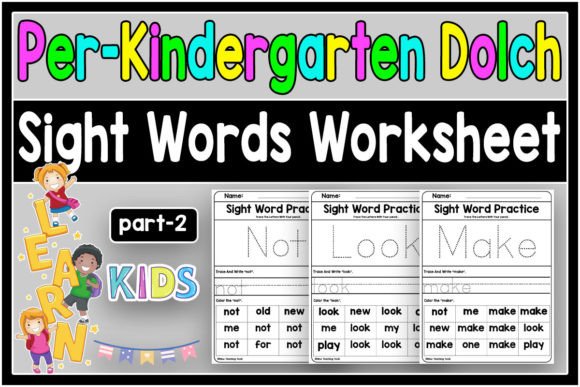
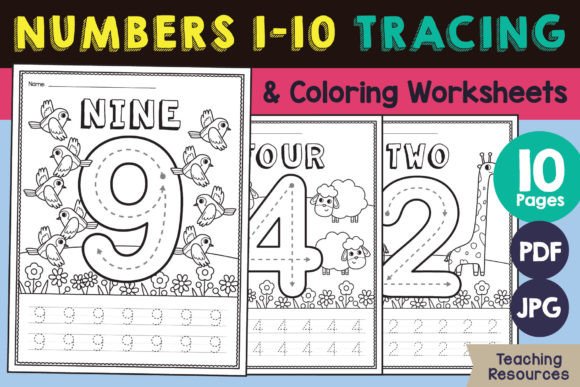
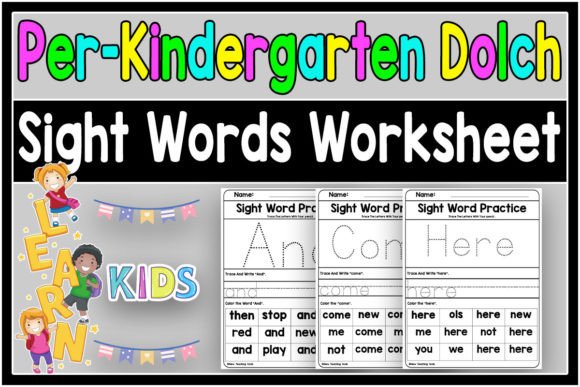
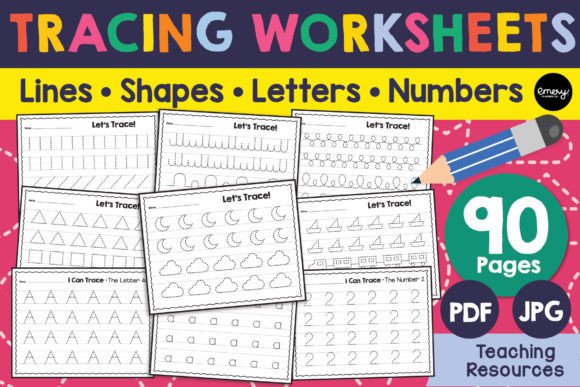
As creative professionals, we often focus on the final polished product—the sleek logo, the perfectly kerned typography in a magazine spread, or the seamless user interface. However, the foundation of all great design, and indeed all literacy, begins with the fundamental act of making a mark. For educators, parents, and content creators in the educational niche, the "Tracing Worksheets | Handwriting" bundle offers a robust solution for those early stages of development. This isn't just a random collection of lines; it is a structured toolkit comprising 90 distinct worksheets designed to build muscle memory and fine motor skills. The collection includes dedicated sections for lines, shapes, uppercase and lowercase alphabets, and numbers 1-10, making it a comprehensive asset for preschool and kindergarten curriculums.
From a design perspective, the value of this resource lies in its clarity and utility. The files are provided in high-resolution 300 dpi PDF and JPEG formats, sized at the industry-standard 8.5x11 inches. This makes them instantly accessible for teachers and parents who need reliable, printable materials without worrying about pixelation or formatting issues. The aesthetic is intentionally minimal—a black and white pack that prioritizes function over decoration. This lack of color ink requirements is a significant practical advantage, reducing printing costs for bulk classroom use while ensuring that the student's focus remains entirely on the stroke and shape they are practicing. The visual personality of these worksheets is clean, authoritative, and instructional, stripping away distractions to focus on the mechanics of handwriting.
Practical Applications in Educational Design and Publishing
For designers and publishers operating within the education sector, understanding how to integrate such assets into a broader brand identity is crucial. The "Tracing Worksheets | Handwriting" set works best when positioned as a core component of a "Back to School" or "Early Learning" product line. Imagine a small business owner selling educational kits; these worksheets serve as the perfect "digital files - ready to download" component that adds tangible value to a subscription box or a digital storefront. They are not merely "filler" content but essential design assets that solve a specific problem for the end-user: teaching a child to write.
Furthermore, the versatility of these worksheets extends into the realm of content marketing. A blogger focusing on parenting or homeschooling can use snippets of these tracing exercises as lead magnets or freebies to grow their email list. By offering a high-quality, professional set of tracing lines and shapes, you establish authority and trust with your audience. The visual hierarchy within the worksheets—progressing from simple lines to complex letters and numbers—allows for a natural narrative flow in your content, guiding the user through a journey of skill acquisition. This structure is vital for maintaining engagement, ensuring that the learner does not feel overwhelmed by complex typography or intricate design elements too early in the process.
Design Observations and Strategic Integration
When evaluating the fit of this resource for your projects, consider the importance of consistency in your educational materials. The clean, monochromatic style of these worksheets pairs exceptionally well with modern typography used in headers and instructional text. For instance, if you are designing a workbook cover (the bundle includes one cover design), you might pair the stark black lines of the tracing exercises with a friendly, rounded sans serif font for titles. This contrast between the functional tracing elements and a playful display font creates a balanced visual hierarchy that appeals to both children and the adults purchasing the materials.
It is also worth noting the practicality of the file formats. For digital creators, the inclusion of JPEGs allows for easy integration into virtual learning environments or social media graphics. You can easily overlay these tracing patterns onto digital backgrounds or use them in video tutorials demonstrating proper pencil grip. The high-resolution nature of the files ensures that even when cropped for Instagram or Pinterest posts, the lines remain crisp and legible. This attention to technical quality reflects a professional standard that small business owners should strive for in their own brand assets.
Enhancing Readability and User Experience
Readability in the context of tracing worksheets refers to the clarity of the path the student is expected to follow. The "Tracing Worksheets | Handwriting" set excels here by providing clear, bold guidelines that are easy for young eyes to distinguish. In design terms, this is akin to ensuring high contrast and adequate leading in editorial design. The worksheets avoid the common pitfall of overly decorative "script font" styles that can confuse beginners. Instead, they utilize a straightforward approach that prioritizes legibility, ensuring that the child learns the standard form of the letter or number before experimenting with stylistic variations later in their education.
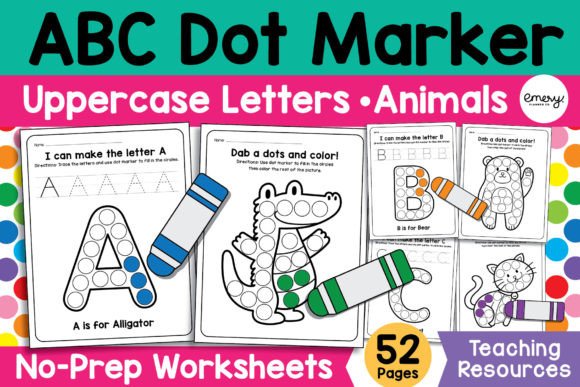
For the creative entrepreneur, these worksheets offer an opportunity to build a cohesive ecosystem of products. You might use these tracing exercises as the foundation, then expand into related areas such as coloring pages or flashcards that share the same 8.5x11 dimension and black-and-white aesthetic. This creates a recognizable brand identity where all components feel like they belong together. The commercial utility is high; because the files are ready to print, they can be sold as instant downloads on platforms like Etsy or Teachers Pay Teachers, generating passive income with minimal overhead.
Final Thoughts on Utility and Value
Ultimately, the "Tracing Worksheets | Handwriting" collection is more than just a set of practice sheets; it is a strategic asset for anyone involved in early childhood education content. Whether you are a teacher creating a daily lesson plan, a parent seeking structured activities for a rainy day, or a designer building a product line for an educational startup, this resource provides the necessary scaffolding. The inclusion of 90 varied worksheets ensures longevity and repeated use, offering a high return on investment for the time spent downloading and organizing the materials.
By focusing on the fundamentals—lines, shapes, and alphanumeric characters—this bundle respects the learning process. It avoids the noise of unnecessary graphics or complex layouts, allowing the learner to focus on the tactile experience of writing. For the professional creator, it serves as a reminder that the best design assets are often those that do their job quietly and effectively, providing a solid foundation upon which more complex skills and knowledge can be built.