Find the Letter: Alphabet Recognition for Visual Design
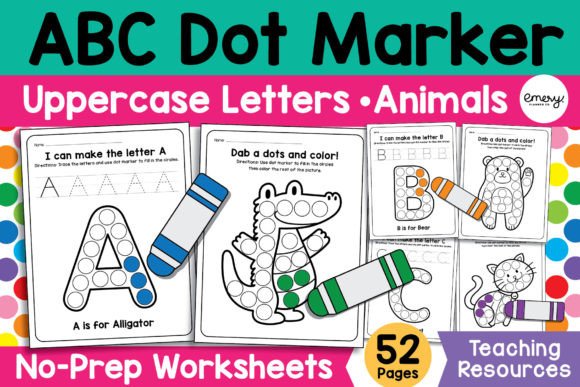
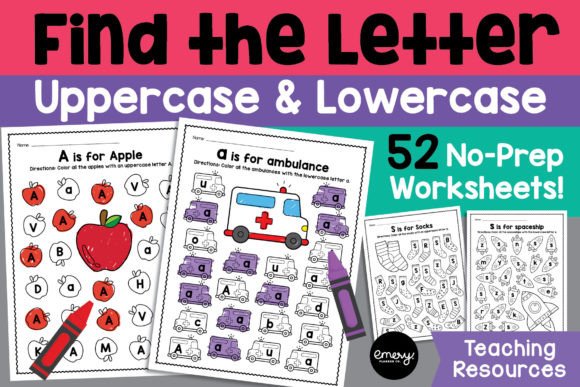
Mastering the alphabet is the first step to visual literacy, a principle that resonates deeply in the world of professional design. The ability to Find the Letter | Alphabet Recognition worksheets offer a foundational exercise in identifying and interacting with typographic forms. This resource, with its 52 pages of themed, high-resolution activities, is more than a simple educational tool; it provides a template for understanding how letterforms function as core visual elements. For designers, marketers, and creators, this approach highlights the critical role of typography and systematic recognition in building effective communication, from brand identity to user interface design.
In modern graphic design, every character carries weight. The clean, consistent structure of these worksheets—focusing on uppercase and lowercase letters in distinct themes—mirrors the designer's process of establishing a coherent visual language. Recognizing a letter's shape, weight, and personality is akin to selecting a typeface that aligns with a brand's voice. This resource demonstrates how breaking down complex systems into manageable, thematic components can streamline a creative workflow, whether for developing a logo, crafting social media graphics, or designing packaging.
Practical Applications in Creative Projects
The principles of alphabet recognition extend far beyond the classroom, offering valuable insights for a wide range of professional applications. Consider how this structured approach can inform your work:
- Brand Identity & Logo Design: A logo often hinges on the unique treatment of letterforms. Practicing recognition helps designers appreciate the nuances that make a logotype distinctive, memorable, and scalable across media.
- Marketing & Social Media Graphics: Clear typography is essential for readability in fast-paced digital environments. Worksheets that train the eye to quickly identify letters contribute to designing compelling headlines and calls-to-action.
- Editorial & Web Design: Establishing a strong visual hierarchy depends on the strategic use of typography. Understanding letter structure aids in creating layouts that guide the reader's eye seamlessly through content.
- Packaging & Merchandise: On physical products, lettering must be legible and impactful. The themed worksheets parallel the need to adapt typographic styles to fit different product personalities and consumer expectations.
Using such a resource with tools like crayons, markers, or digital styluses emphasizes the tactile and adaptable nature of design assets. The black-and-white, print-ready format encourages experimentation with color palettes, a crucial skill in developing brand color systems.
Integrating Foundational Skills into Your Design Workflow
To leverage these concepts effectively, focus on how the core elements of design—consistency, readability, and visual hierarchy—are applied. When evaluating or creating any typographic system, ask: Does each letter maintain its integrity within the family? Is the contrast sufficient for its intended size and medium? How does the style of the letters contribute to the overall mood and message?
This resource, with its high-resolution 300 dpi files and standard 8.5x11 inch dimensions, is built for practical integration into a design process. It serves as a reminder that even the most complex creative projects begin with a solid grasp of fundamental visual components. Whether you are designing a user interface, a presentation, or an advertising campaign, the discipline of recognizing and respecting each letter's form ensures your final product is both aesthetically polished and functionally clear.
Ultimately, thoughtful design is built upon such meticulous attention to detail. Investing in quality creative assets and foundational exercises strengthens your ability to communicate with precision and style, elevating every project from a mere arrangement of elements to a compelling visual narrative.