Write the Correct Words: A Designer's Guide to Typographic Clarity
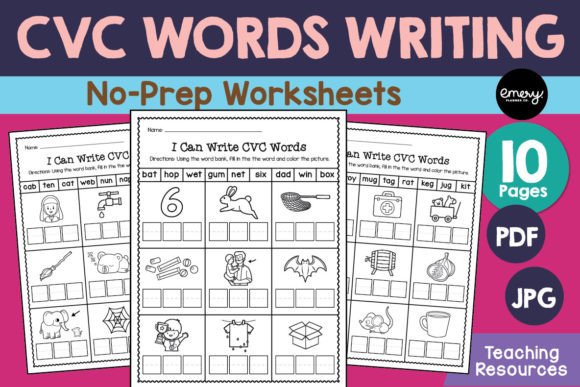
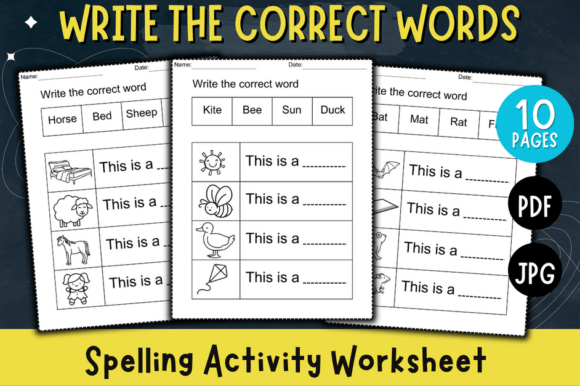
In visual communication, the difference between a polished brand and a forgettable one often comes down to the precision of its language and letterforms. For graphic designers, the principle of "Write the Correct Words" extends beyond simple spelling—it is about selecting the right typography, ensuring legibility, and crafting a visual voice that resonates. This educational activity, which challenges learners to complete words by providing missing vowels, serves as a perfect metaphor for design itself: filling in the gaps to create a cohesive, recognizable whole.
The Intersection of Education and Visual Design
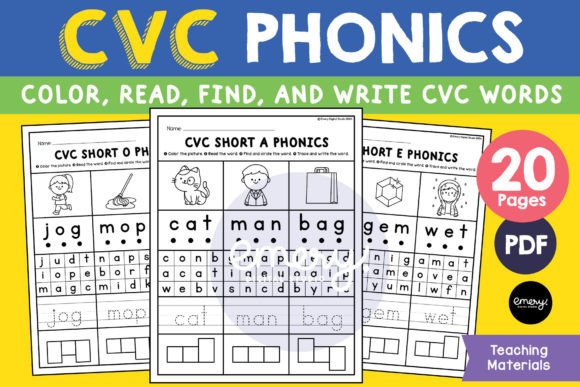
At its core, this activity is designed to reinforce spelling skills and improve vocabulary, but for a creative professional, it highlights the importance of foundational elements in design assets. When creating educational materials, such as the included PDF and JPEG files, designers must consider how visual hierarchy and typography work together. The exercise of identifying missing letters mirrors the design process of evaluating kerning, leading, and font selection to ensure that every character contributes to the overall message and aesthetic.
For designers working on projects for children's brands, educational apps, or learning resources, understanding these principles is critical. The activity's focus on word patterns and letter sounds translates directly into creating intuitive user interfaces and engaging packaging design. By incorporating such interactive elements, designers can enhance user engagement and support language development through thoughtful visual design.
Practical Applications in Modern Branding
The principles behind "Write the Correct Words" have broad applications across various design disciplines. Consider how this approach can be integrated into different creative projects:
- Brand Identity and Logo Design: A logo must be instantly recognizable and spelled correctly. The activity's emphasis on correct word completion reinforces the need for typographic accuracy in logomarks and wordmarks, ensuring brand consistency across all touchpoints.
- Marketing and Social Media Graphics: In digital marketing, every character counts. Applying the "fill in the missing vowels" concept can inspire creative campaigns where audience interaction—like completing a hashtag or slogan—boosts engagement and memorability.
- Editorial and Web Design: For magazines, blogs, and websites, readability is paramount. This activity underscores the importance of clear typography and proper spelling in maintaining a professional presentation and enhancing the user experience.
- Packaging and Merchandise: On physical products, words must be correct and visually appealing. Designers can use similar puzzle-based layouts to create interactive packaging that educates and entertains, adding value beyond the product itself.
Tips for Selecting and Using Design Elements
When incorporating educational or interactive elements into your design workflow, keep these practical considerations in mind:
- Prioritize Readability and Scalability: Choose typefaces that remain clear at various sizes, from large headings on posters to small text on mobile screens. Test your designs across different formats, such as the provided PDF and JPEG files, to ensure consistency.
- Maintain Visual Hierarchy: Use weight, size, and color to guide the viewer's eye. In an activity like "Write the Correct Words," bold prompts and clear blank spaces create an intuitive flow that designers can emulate in infographics or instructional layouts.
- Align with Audience Expectations: For children's materials, use playful colors and friendly typography. For corporate branding, opt for clean, modern aesthetics. Always consider the context and the user's level of familiarity with the content.
- Ensure Brand Compatibility: If designing for an existing brand, integrate new elements like interactive worksheets or flashcards into the established color palette and style guide. This reinforces brand identity while introducing fresh, engaging content.
Ultimately, thoughtful design is about more than aesthetics—it's about effective communication. Whether you're creating a set of educational worksheets or a full brand identity system, the careful selection of words, fonts, and visual elements ensures your message is not only seen but understood. By embracing the precision of activities like "Write the Correct Words," designers can elevate their work, creating materials that are both beautiful and brilliantly clear, helping clients and audiences connect with content in a meaningful way.