Wood Frames Clipart: Infusing Cozy Authenticity into Digital Design
The Enduring Appeal of Natural Textures in a Digital World
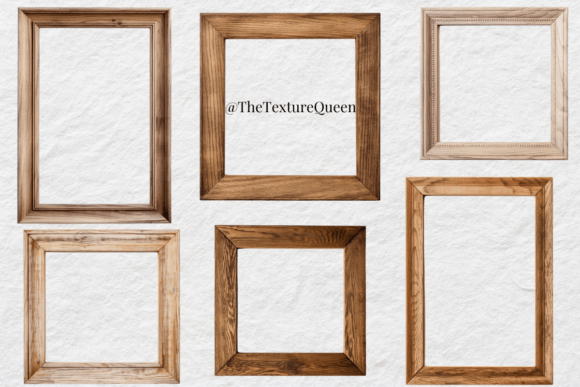
In an era dominated by sleek gradients and sharp vector graphics, there’s a powerful counter-trend emerging in design: the craving for authenticity and warmth. This is where assets like Wood Frames Clipart become indispensable. This isn’t just another set of digital borders; it’s a curated collection of six realistic brown frames, each rendered to evoke the tactile, comforting feel of natural wood. The visual personality here is unmistakably rustic, organic, and grounded. The grain patterns, subtle color variations, and soft shadows are designed to mimic real-world materials, offering a stark contrast to sterile, purely digital aesthetics. This style speaks directly to audiences seeking genuineness, making it a potent tool for creators across the spectrum—from bloggers and marketers to crafters and small business owners. The appeal lies in its ability to instantly add a layer of narrative and coziness to any project, transforming a simple image or graphic into something that feels curated and personal.A Practical Toolkit for Modern Creators
Understanding where this creative font—or rather, this clipart set—excels is key to leveraging its full potential. Its applications are remarkably versatile. For digital planners and scrapbookers, these frames provide the perfect finishing touch for photos, notes, or decorative elements, bringing a handmade feel to an otherwise digital experience. In the realm of social media graphics, a wood frame can make a promotional post for a café, a bookshop, or a handmade goods store feel more inviting and aligned with a cozy brand identity. The files are delivered as transparent PNGs, a critical detail for seamless integration. This format allows for effortless layering in any design software. Furthermore, the ability to upload these directly into platforms like Canva democratizes their use, empowering entrepreneurs and content creators who may not have advanced software skills to produce professional-looking visuals. Think of them as essential design assets for creating cohesive packaging design mockups, enhancing editorial design layouts, or adding character to website banners and blog headers.The true strength of a resource like this lies in its influence on visual hierarchy and audience perception. A wood frame doesn’t just contain an image; it acts as a focal point, drawing the eye and suggesting importance. This can be used to highlight a customer testimonial, a featured product, or a key call-to-action. From a brand strategy perspective, consistent use of such textures helps build a recognizable aesthetic. A brand that frequently employs natural materials in its visuals—like these wood frames—communicates values of craftsmanship, sustainability, and approachability. This is far more effective than simply stating those values in text. It’s a form of visual storytelling that builds brand identity through consistent, subtle cues. For a publisher creating a cookbook, framing recipe images with wood adds a homestyle, trustworthy feel. For a marketer, it can make a holiday sale graphic feel more festive and traditional. The psychological impact is significant: it fosters a sense of comfort and reliability, which can directly enhance audience engagement and trust.
Integrating Wood Frames with Intention and Skill
Adopting any new design element requires thoughtful evaluation. When considering these wood frames for a project, start by assessing the overall tone. They pair exceptionally well with other organic elements—think handwritten fonts or script fonts for a rustic wedding invitation, or clean sans serif fonts for a modern farm-to-table restaurant menu that needs a touch of warmth. Avoid pairing them with overly ornate or futuristic typefaces, as the style clash can undermine the frame's authentic appeal. Always test the frames at their intended size to ensure the texture remains clear and impactful without becoming visually noisy. The 1000x1000 pixel dimension, including the transparent area, offers a good working resolution for many digital and print applications, though for large-scale printing, checking the final output quality is a wise practice.
Practical guidance also extends to licensing and usage. While the provided text mentions a shop with other assets and freebies, it’s a standard best practice for any professional—whether in logo design, web design, or content creation—to review the specific license terms for commercial use. Knowing what’s permitted ensures your brand identity and marketing materials are built on a solid, legal foundation. Experiment with layering; try placing the frame slightly behind an image for a shadow effect, or use multiple frames in a collage to tell a visual story. The key is to use them not as an afterthought, but as an integral part of the composition that enhances the narrative you wish to convey. By treating these design assets with the same strategic thought you’d apply to choosing a premium font, you unlock their ability to elevate your work from merely visual to genuinely resonant.